I. Overview of Electric Guitar Pickups
 Electric guitar
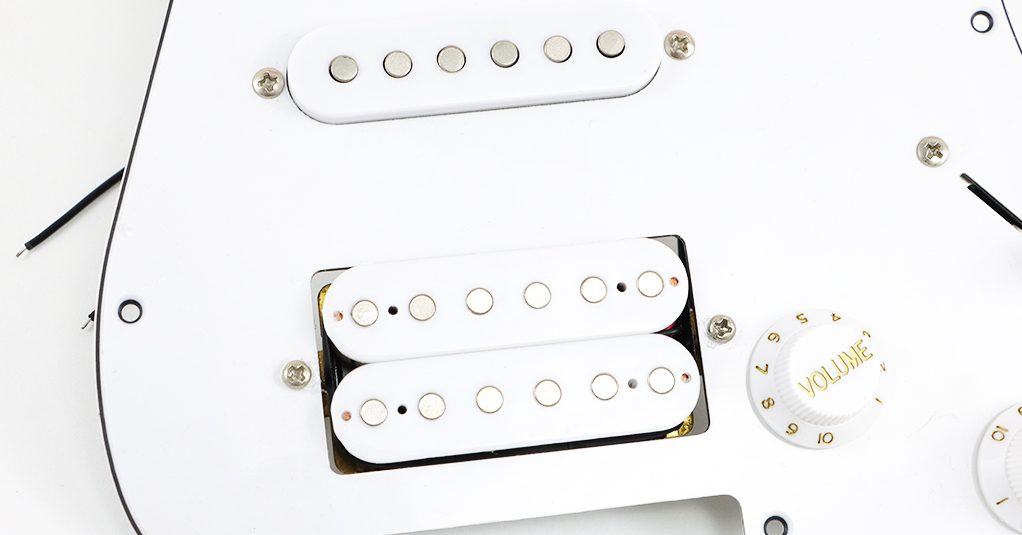
 pickups play a crucial role in the sound production process of electric guitars. They are like a magical “sound converter”, transforming the vibration signals of the electric guitar strings into electrical signals, thus bringing a rich variety of tones to the electric guitar.
Electric guitar pickups are one of the core components of the electric guitar’s sound production system. Without pickups, an electric guitar would be unable to transmit its unique sound. They are like the “sound engine” of the electric guitar, providing powerful impetus for musical expression.
In the sound production of electric guitars, the importance of pickups cannot be ignored. They not only determine the tonal characteristics of the electric guitar but also affect the volume level and the clarity of the sound quality. Different types of pickups can produce distinctly different tonal effects, meeting the needs of various musical styles.
For example, passive pickups and active pickups have significant differences in tone and performance. Passive pickups require manual adjustment of tone and volume and may produce a small amount of noise, but they can bring out a raw and individualistic tone. Active pickups, on the other hand, greatly reduce the noise problem and ensure a powerful tone while requiring high power.
In conclusion, electric guitar pickups are an indispensable part of electric guitars, and their role and importance are fully demonstrated in the musical world of electric guitars.
II. Detailed Explanation of Double-Single-Single (HSS) Pickups
(A) Unique Tonal Charm
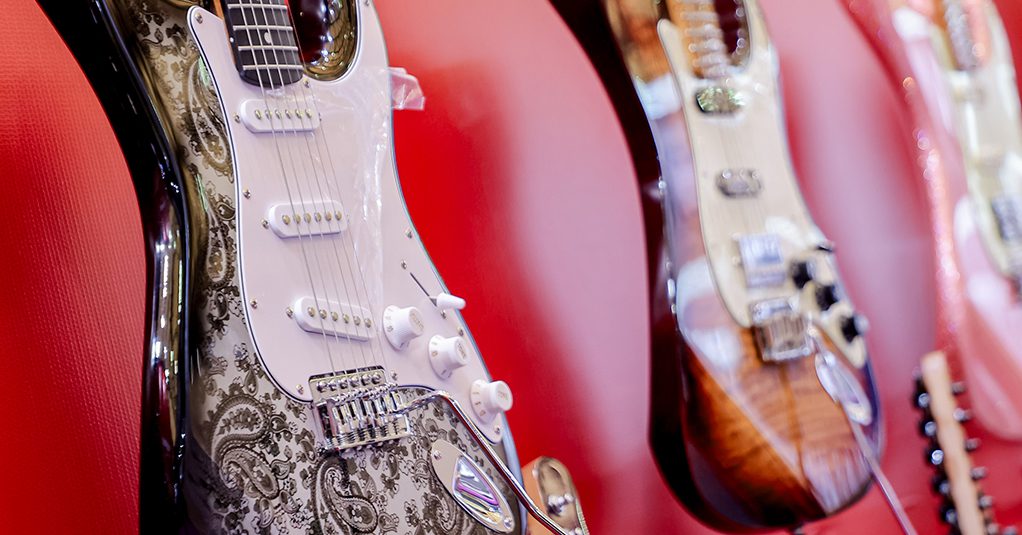
The reason why double-single-single (HSS) pickups possess unique tonal charm mainly lies in the combination of the characteristics of pickups at different positions. Among them, the humbucker pickup part can produce a full, thick, and more powerful tone. This is because the humbucker pickup consists of two coils, which can cancel out noise from each other and enhance the richness of the tone. Its design makes the tone even thicker, suitable for styles such as heavy metal and rock. For example, when playing heavy metal music, the intense rhythms and complex chords require a powerful tonal support, and the humbucker pickup can exactly meet this requirement by providing a strong output and a thick tone.
The single-coil pickup part, on the other hand, brings a bright tone. A single-coil pickup is usually composed of a magnetic strip and copper wire wound around it. With a relatively simple design, it can accurately capture the high-frequency vibrations of the strings, making the tone brighter and clearer. During performance, the single-coil pickup has an excellent high-frequency response, making it suitable for playing complex chords and melodies, adding a bright color and delicate expressiveness to the music.
(B) Applicable Musical Styles
Double-single-single (HSS) pickups are suitable for occasions where distortion and clean tone switching are required, such as in heavy metal, rock and other styles, mainly for the following reasons. Firstly, in heavy metal music, the intense rhythms and vigorous playing require powerful tonal support. The humbucker pickup can produce a relatively heavy effect when connected to a distortion tone, which can meet the demand of heavy metal music for a strong tone. Meanwhile, during the performance process, sometimes a clean tone is also needed for transition or creating an atmosphere, and at this time, the bright tone of the single-coil pickup can come into play. For example, in the prelude or interlude parts of some heavy metal songs, using the clean tone of the single-coil pickup can add a refreshing feeling to the song, forming a sharp contrast with the intense distortion tone.
In rock music, rich tonal changes are also needed to express emotions and promote the development of the music. The double-single-single pickups can switch between the bright tone of the single-coil pickup and the thick tone of the humbucker pickup, providing more creative space for rock music. For example, in the verse part of a rock song, the bright tone of the single-coil pickup can be used to highlight the melody and lyrics, while in the chorus part, switching to the humbucker pickup can enhance the sense of power and rhythm of the music.
III. Analysis of Single-Single-Single (SSS) Pickups
(A) Clear and Bright Tonal Characteristics
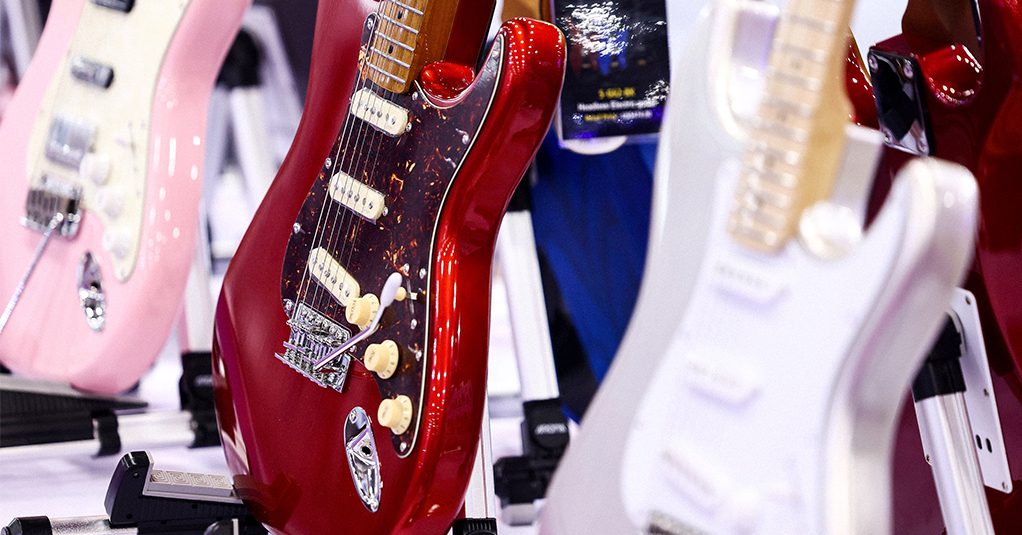
Single-single-single (SSS) pickups occupy an important position in the field of electric guitars with their unique tonal characteristics. Their tone is bright, which mainly benefits from the design structure of the single-coil pickup. A single-coil pickup is usually composed of a magnetic strip and copper wire wound around it. With a relatively simple design, it can accurately capture the high-frequency vibrations of the strings, making the tone brighter and clearer. This bright tone has a high degree of recognizability during performance, adding a refreshing and lively feeling to the music.
Good dynamic feedback is also a major feature of single-single-single pickups. During the performance process, every subtle movement of the musician can be sharp ly captured by the pickup and transformed into the corresponding electrical signal output. This good dynamic feedback makes the performance more vivid and expressive, enabling better conveyance of the musician’s emotions and musical intentions.
However, when using a distortion effect, the tone of the single-single-single pickups may seem a little thin. This is because the output signal of the single-coil pickup is relatively weak, and under the treatment of the distortion effect, the tone is prone to losing some thickness and sense of power. For example, when playing heavy metal music, the distortion tone of the single-single-single pickups may not be able to meet the requirements of intense rhythms and complex chords for a powerful tone.
(B) Adaptable Musical Styles
Single-single-single pickups are suitable for musical styles such as pop, rock, and jazz that require switching between bright and warm tones, for several reasons.
In pop music, a bright tone can highlight the clarity and fashion sense of the melody. The tonal characteristics of single-single-single pickups make the performance of pop songs more appealing, attracting the attention of the audience. Meanwhile, in some pop songs, a warm tone is also needed to create an emotional atmosphere, and the single-coil pickup can also play a certain role in this regard. For example, in a lyrical pop song, the single-single-ssingle pickups can switch between different pickup positions to achieve the switching between bright and warm tones, adding more emotional layers to the song.
In rock music, the bright tone of single-single-single pickups can bring a unique vitality and passion to the song. Although it may not have as much power as the humbucker pickup, in some rock-style songs, this bright tone can highlight the individuality and uniqueness of the melody. For example, in some indie rock songs, the tone of single-single-single pickups can form a sharp contrast with other instruments, adding a unique charm to the song.
In jazz music, a high requirement is placed on the delicacy of the tone and the dynamic range. The good dynamic feedback and bright tone of single-single-single pickups can meet the requirements of jazz music for performance skills and tonal expressiveness. In jazz performance, the musician can use the tonal characteristics of single-single-single pickups to show complex chord changes and delicate musical expressions. For example, in a jazz piece, the single-single-single pickups can use a light distortion or overdrive effect to add a unique charm to the music.
IV. Comparison and Selection between the Two
(A) Tonal Differences
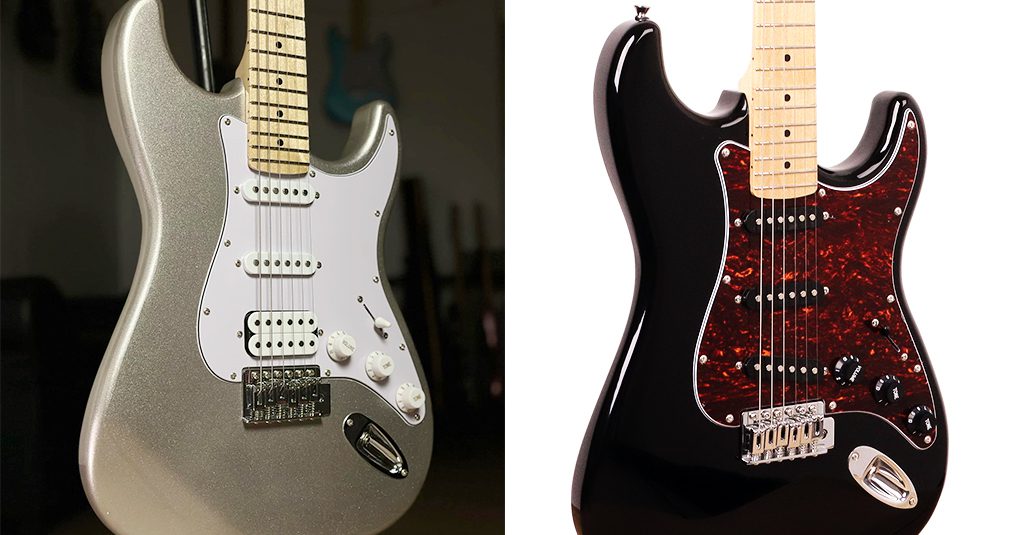
The tonal characteristics of double-single-single (HSS) pickups are that they have both the full, thick, and more powerful tone brought by the humbucker pickup and the bright tone of the single-coil pickup. During performance, different pickups can be switched according to needs to obtain rich tonal changes. The tone of single-single-single (SSS) pickups is generally brighter, with good dynamic feedback, but it may seem a little thin when using a distortion effect.
From the perspective of specific tonal performance, the humbucker part of the double-single-single pickups can provide a stronger low-frequency response, suitable for playing styles such as heavy metal and rock, creating a strong sense of rhythm and a thick atmosphere. The single-coil part has a better high-frequency performance, suitable for playing complex chords and melodies, adding a bright color to the music. Single-single-single pickups, with their clear and bright tone, show unique charm in styles such as pop, rock, and jazz, being able to highlight the clarity and fashion sense of the melody.
(B) Differences in Applicable Styles
Double-single-single pickups are suitable for occasions where distortion and clean tone switching are required, such as in heavy metal, rock and other styles. In heavy metal music, the powerful output and thick tone of the humbucker pickup can meet the requirements of intense rhythms and complex chords, and the clean tone of the single-coil pickup can add a refreshing feeling in the prelude or interlude parts of the song. In rock music, the double-single-single pickups can switch between the bright tone of the single-coil pickup and the thick tone of the humbucker pickup, providing more creative space for music.
Single-single-single pickups are suitable for musical styles such as pop, rock, and jazz that require switching between bright and warm tones. In pop music, a bright tone can highlight the clarity and fashion sense of the melody, and at the same time, a warm tone can also be created by switching different pickup positions. In rock music, the bright tone of single-single-single pickups can bring a unique vitality and passion to the song. In jazz music, the good dynamic feedback and bright tone of single-single-single pickups can meet the high requirements for performance skills and tonal expressiveness.
(C) Selection References
For musicians, choosing between double-single-single and single-single-single pickups requires considering multiple factors. Firstly, it is the musical style. If the main performance styles are heavy metal, rock, etc., and frequent switching between distortion and clean tones is required, then double-single-single pickups may be a better choice. If one likes musical styles such as pop, rock, and jazz, and pays attention to the switching between bright and warm tones, as well as has higher requirements for the delicacy of the tone and the dynamic range, then single-single-single pickups may be more suitable.
Secondly, it is personal playing habits and preferences. Some musicians may prefer the powerful output and rich tonal changes of double-single-single pickups, while some may be more fond of the bright tone and good dynamic feedback of single-single-single pickups. When choosing, one can try different types of pickups more to experience their tonal characteristics and applicable styles, so as to find the most suitable pickup for oneself.
Finally, budget is also a factor that needs to be considered. Generally speaking, due to the characteristics of its structure and performance, the price of double-single-single pickups may be relatively high. While single-single-single pickups are relatively more economical and affordable. If the budget is limited, single-single-single pickups may be a good choice. But if there are higher requirements for tone and performance and the budget allows, then double-single-single pickups are also worth considering.
In conclusion, double-single-single and single-single-single pickups have their own characteristics in terms of tone and applicable styles. Musicians can choose according to their own musical styles, playing habits, preferences and budget, etc., to find the most suitable electric guitar pickup for themselves, bringing more possibilities for musical creation and performance.


