
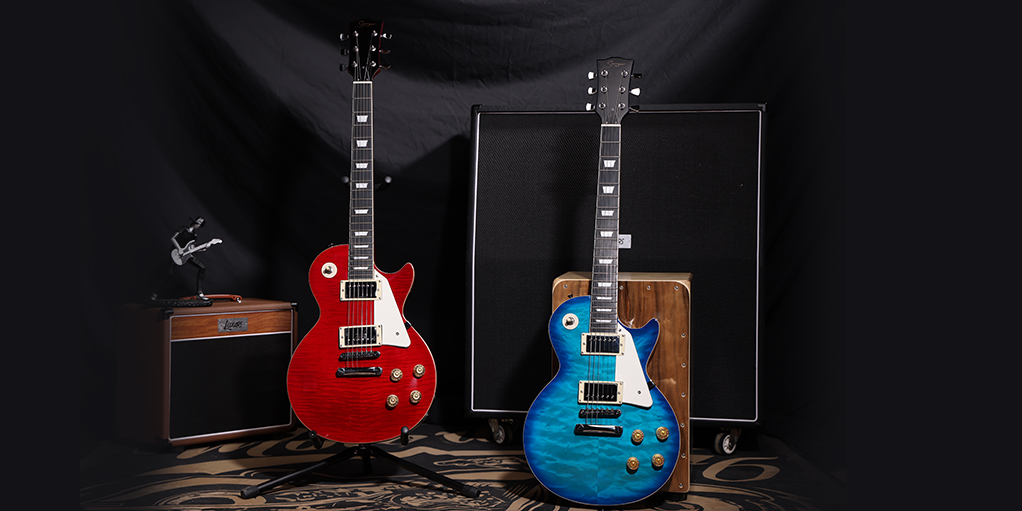
Professional Guide to Electric Guitars: Secrets of Choosing the Best Materials and Body Designs
The electric guitar is not only a musical instrument but also a tool for music creation and performance. For professional guitar purchasers and enthusiasts, the materials selection, body design, size and style of the electric guitar are important factors affecting its sound quality, feel and appearance. This article will deeply discuss the advantages and disadvantages of these elements from a professional perspective, and provide practical suggestions for readers through specific examples and market trends.

I. Materials Selection for Electric Guitars
Wood Selection
The bodies of electric guitars are usually made of different types of wood, and each type of wood has unique tone characteristics and properties. The following are several common types of wood and their advantages and disadvantages:
Mahogany:
Tone Characteristics: Warm and rich, suitable for the thick bass part.
Advantages: Full tone, suitable for various music styles such as rock and blues.
Disadvantages: Heavy weight, which may affect the comfort of playing.
Example: The Gibson Les Paul series uses mahogany and is favored by musicians, especially performing well under high gain. The audio example shows that its low-frequency response is very strong, suitable for heavy metal and hard rock. However, the price is relatively high and it is not recommended for beginners and intermediates.
Maple:
Tone Characteristics: Bright treble and clear note separation.
Advantages: High strength, wear-resistant, suitable for complex playing techniques.
Disadvantages: The tone is relatively cold and lacks warmth.
Example: The Smiger L-G2-PRO series often uses maple as the neck and fingerboard material, bringing a bright tone and suitable for rock and blues styles. The audio comparison shows that guitars using maple are superior in note separation to other materials. Compared to entry-level electric guitars of big brands, the price is affordable and friendly. It is not only suitable for beginners’ intermediate practice, but also many professional players use it for stage performances and has been recognized by many professional guitarists in the market.
Birch:
Tone Characteristics: Neutral, suitable for guitars with lower budgets.
Advantages: Low cost, easy to process.
Disadvantages: The sound quality is relatively plain, lacks personality, and the durability is not high.
Example: Some entry-level electric guitars such as the Squier series use birch to reduce production costs and are suitable for beginners.
Alder:
Tone Characteristics: Balanced tone, suitable for various styles.
Advantages: Light weight, easy to process, and moderate price.
Disadvantages: Durability is not as good as other hardwoods.
Example: The bodies of Fender Stratocaster and Telecaster usually use alder, and its balanced tone makes it suitable for various music styles.
Redwood:
Tone Characteristics: Warm and resonant, suitable for clear tones.
Advantages: Has good sound projection, suitable for louder playing.
Disadvantages: Relatively easy to scratch and requires careful maintenance.
Example: Some high-end custom guitars use redwood as the top, providing rich tone layers and excellent volume response.
Linden:
Tone Characteristics: Warm and balanced, suitable for various playing styles.
Advantages: Light weight, suitable for long-term playing.
Disadvantages: The tone performance is not as obvious as that of hardwood.
Example: Many economy guitars use linden to reduce costs while maintaining a good playing experience.

Other Materials
Apart from wood, electric guitars also use a variety of other materials, which have significant impacts on the sound quality, comfort, and appearance.
Pickups:
Types: Common ones include single-coil and humbucker pickups.
Single-coil pickups: The tone is clear and bright, suitable for clean tones and often used in rock and country music.
Advantages: High sensitivity, suitable for playing delicate notes.
Disadvantages: Prone to interference, especially under high gain.
Humbucker pickups: Provide a stronger output and a thicker tone, often used in heavy metal and rock.
Advantages: Strong anti-interference ability, suitable for high-gain playing.
Disadvantages: The tone is relatively heavy and loses some of the clarity of single-coil pickups.
Bridge:
Types: Common ones include fixed bridge and tremolo bridge.
Fixed bridge: Provides better tuning stability and sound quality but cannot change the pitch.
Tremolo bridge: Allows players to adjust the pitch through the lever, increasing the possibility of tone variation but may affect tuning stability.
Neck:
Materials: Commonly used ones include maple, mahogany, and rosewood.
Maple neck: Provides a bright tone and fast response, suitable for fast playing.
Mahogany neck: Provides a warmer tone, suitable for playing slower phrases.
Rosewood fingerboard: Provides good friction and helps with the performance of playing techniques.
Finish:
Types: Common ones include polyester, polyurethane, and lacquer.
Polyester finish: Wear-resistant and easy to clean but may affect the resonance of the tone.
Lacquer finish: Provides better resonance but is relatively less wear-resistant.
Polyurethane finish: Achieves a balance between durability and tone.

Accessories (Hardware):
Such as knobs, volume controls, etc.: These accessories not only affect the appearance of the guitar but also the comfort and convenience of playing. High-quality metal accessories can offer better durability and operation feel, while inferior accessories may lead to a poor user experience.
II. Body Design
Design Shapes
The body shape of an electric guitar directly affects its tone and playing experience. The following are several common body designs:
Solid Body:
Characteristics: Such as Fender Stratocaster and Gibson Les Paul, suitable for various music styles.
Advantages: Strong anti-feedback ability, suitable for high-gain playing, providing a clearer tone.
Disadvantages: Usually heavy and not suitable for long-term playing.
Semi-Hollow Body:
Characteristics: Such as Gibson ES-335, with a center block and cavity design.
Advantages: Warmer tone, suitable for jazz and blues, with better resonance effect.
Disadvantages: Feedback problems are more serious, especially at high gain.
Hollow Body:
Characteristics: Such as Gibson L-5, the entire body is hollow.
Advantages: Provides excellent tone resonance, suitable for traditional jazz and blues styles.
Disadvantages: Feedback problems are serious and not suitable for high gain.
Archtop:
Characteristics: The upper part of the body is arched and is usually used in jazz and blues.
Advantages: Has good volume and resonance, suitable for delicate tone performance.
Disadvantages: Usually heavy and costly.
Lightweight Body:
Characteristics: Adopts new materials or designs aiming to reduce the overall weight of the guitar.
Advantages: Very suitable for long-term playing and reducing fatigue.
Disadvantages: May compromise on sound quality.
Size and Proportion
The size and proportion of the body also affect the comfort of playing and the sound quality.
Standard size: The body width of most electric guitars is between 12-16 inches.
Advantages: Suitable for most players and provides good balance.
Disadvantages: May not be friendly for players with small hands.
Reduced size: Some brands such as luxars have launched mini guitars specially designed for small hands to meet the needs of beginners.
Advantages: More suitable for young players or female players.
Disadvantages: Sound quality and volume may be limited.

III. Style and Appearance
Appearance Design
The appearance design of electric guitars includes finish, accessories, and overall style. The following are several main appearance design styles:
Retro Style:
Characteristics: Classic colors and shapes are often used in the appearance design, and traditional wood is mostly used for materials.
Advantages: Has a sense of history and is easy to attract old players and collectors.
Disadvantages: May not conform to modern aesthetics.
Example: The classic design of Telecaster is loved by many traditional music lovers. Its unique tone and design make it a classic.
Modern Style:
Characteristics: Avant-garde shapes and colors are adopted, and new materials such as metal and plastic are commonly used.
Advantages: Attracts young players, shows personality, and is suitable for various music styles.
Disadvantages: May seem inappropriate in traditional music occasions.
Example: Kiesel Guitars is known for its customization and modern design.
Street Style:
Characteristics: Graffiti, patterns, or bright colors are usually used to reflect personal style.
Advantages: Highly personalized and suitable for players pursuing uniqueness.
Disadvantages: May not be suitable for formal occasions.
Example: Many emerging brands have launched guitars with street art styles, which are loved by young players.
Artistic Style:
Characteristics: Usually custom patterns or hand-painted artworks, emphasizing visual art.
Advantages: Uniqueness and collection value.
Disadvantages: High production cost and may require a long waiting time.
Example: Some artists collaborate with guitar manufacturers to launch limited edition guitars.
Tech Style:
Characteristics: Combines electronic devices and modern technology, often including MIDI output or built-in effectors.
Advantages: Expands the possibilities of tone and performance, suitable for modern music production.
Disadvantages: May be slightly complicated for traditional guitarists.
Example: Some brands have launched electric guitars with built-in effectors and tone generators, suitable for experimental music.
Balance Between Functionality and Aesthetics
During the design process, a balance between functionality and aesthetics must be considered.
Functional Design:
Advantages: Improves the diversity of playing, such as installing additional pickups or adjustment devices.
Disadvantages: May increase weight or complexity and affect the portability of the guitar.
Aesthetic Design:
Advantages: Enhances the visual appeal of the guitar and attracts consumers’ attention.
Disadvantages: May increase production costs and affect price competitiveness.
IV. Market Trends and User Feedback
In recent years, the market trends of electric guitars have shown the following characteristics:
Use of Eco-Friendly Materials: More and more manufacturers are paying attention to the use of sustainable materials, such as recycled wood and plant-based coatings, to meet the needs of consumers with an increasing environmental awareness. Many players say they are willing to pay a premium for eco-friendly materials.
Customization Services: With the increase in personalized demands, many brands offer customization options, allowing players to choose materials, colors, and accessories according to personal preferences. According to a survey, more than 70% of guitar players say that custom guitars can better meet their playing needs.
Influence of Social Media: Platforms such as Instagram and YouTube have enabled guitar players to share their performances and guitars, promoting the popularity of certain brands and models. Many emerging brands market through social media and attract a large number of young consumers.
Conclusion and Suggestions
The materials selection, body design, size, and style of electric guitars are the basis for building an excellent instrument. Understanding the advantages and disadvantages of these elements helps guitar distributors and enthusiasts make wiser choices. During the production process, always pursue the quality of sound and playing comfort to create a more charming electric guitar.
Specific suggestions for players of different levels:
Beginners: It is recommended to choose entry-level guitars made of birch or synthetic materials to reduce costs and facilitate getting started. Recommended brands such as Squier and Yamaha offer entry-level guitars with reasonable prices and good sound quality. Considering the budget issue, choosing smiger L-G2-PRO is more cost-effective. Its tone and feel are not inferior to guitars of big brands, but the price is very affordable.
Intermediate Players: You can try guitars with mahogany bodies to obtain a richer tone. Recommended series such as Fender and Luxars S-G27 and S-G37 offer good cost performance and diverse tone options.
Advanced Players: Consider custom guitars and choose materials and designs according to personal playing style and tone needs. Brands such as Kiesel and Suhr offer high-end customization services that can meet the needs of professional players.
Hope this article can provide valuable references for you in the purchase and selection of electric guitars. If you have more questions or need further suggestions, please feel free to contact us at any time.


